Browse All Scooters
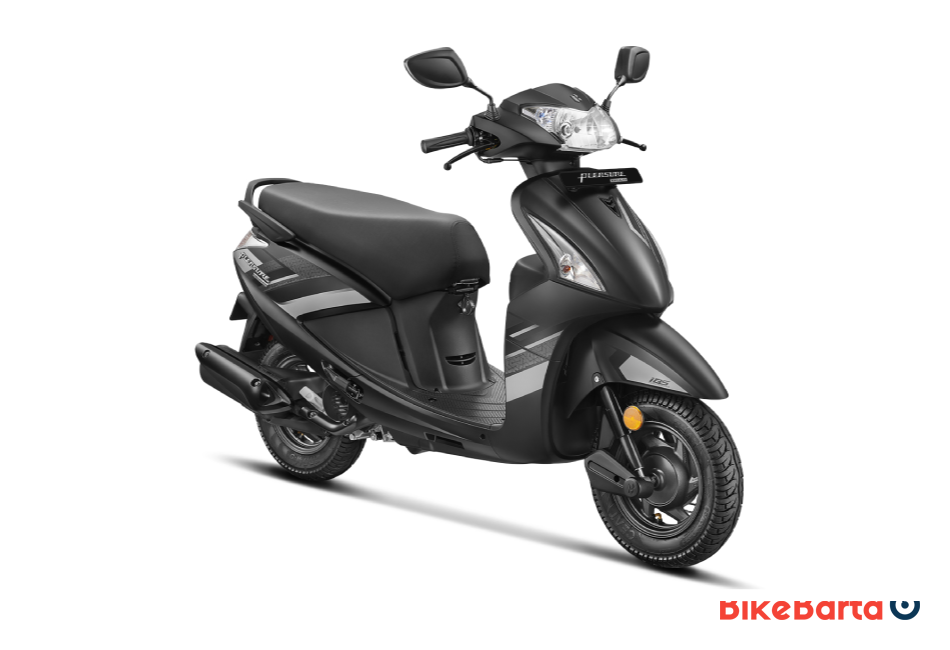
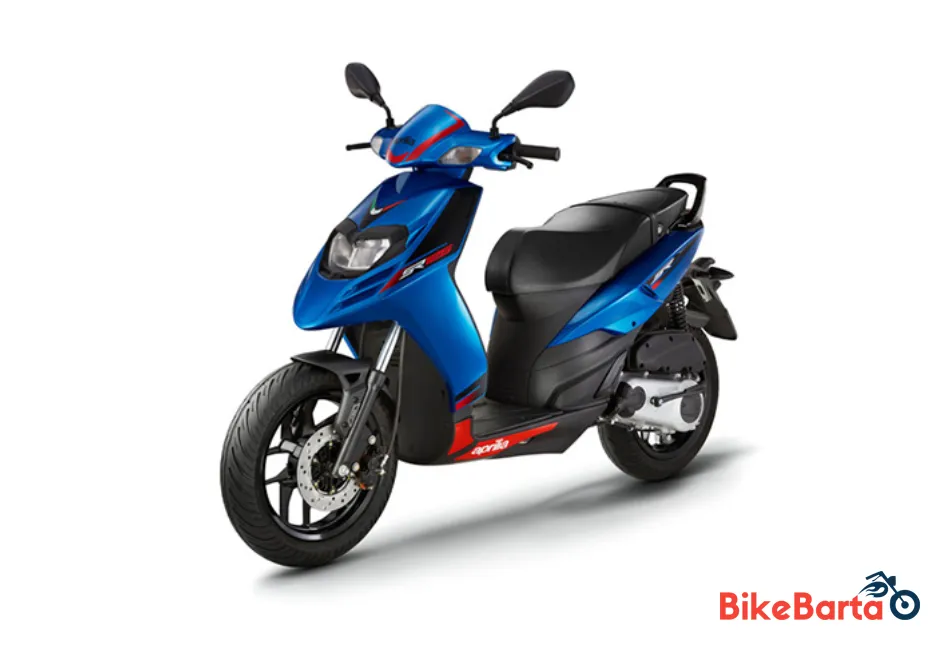
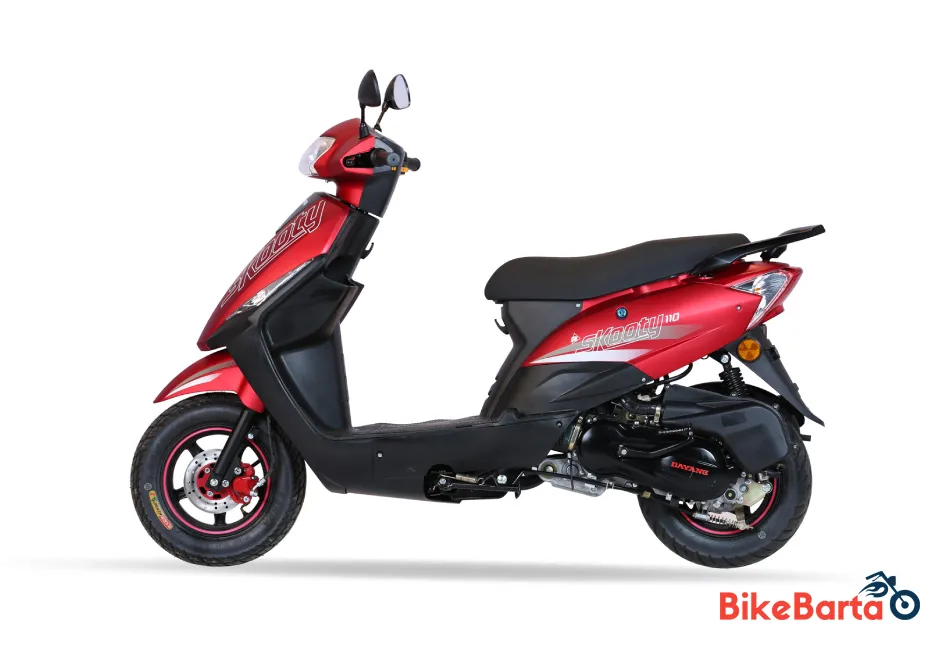
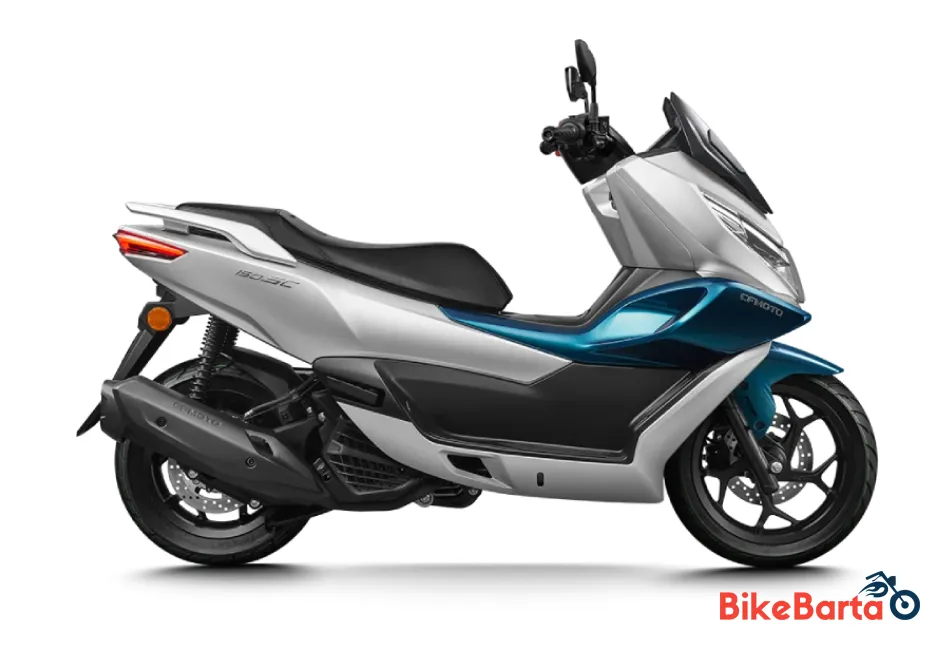
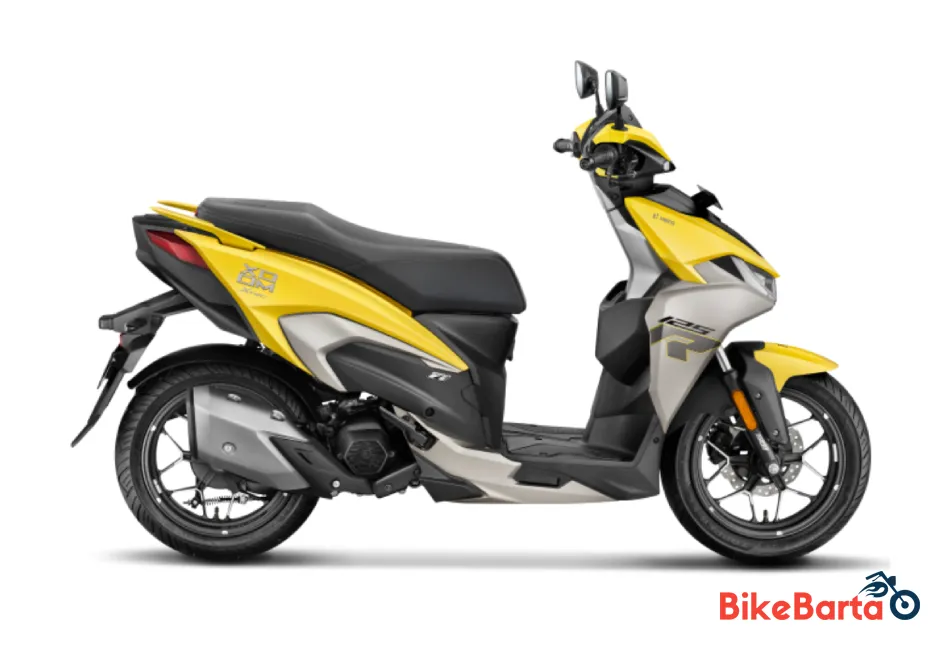
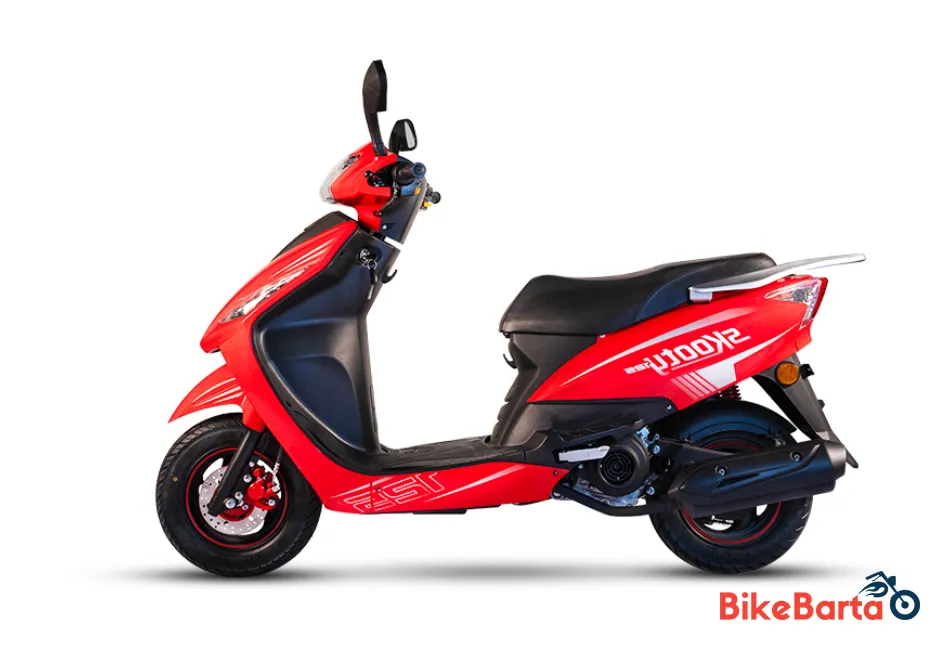
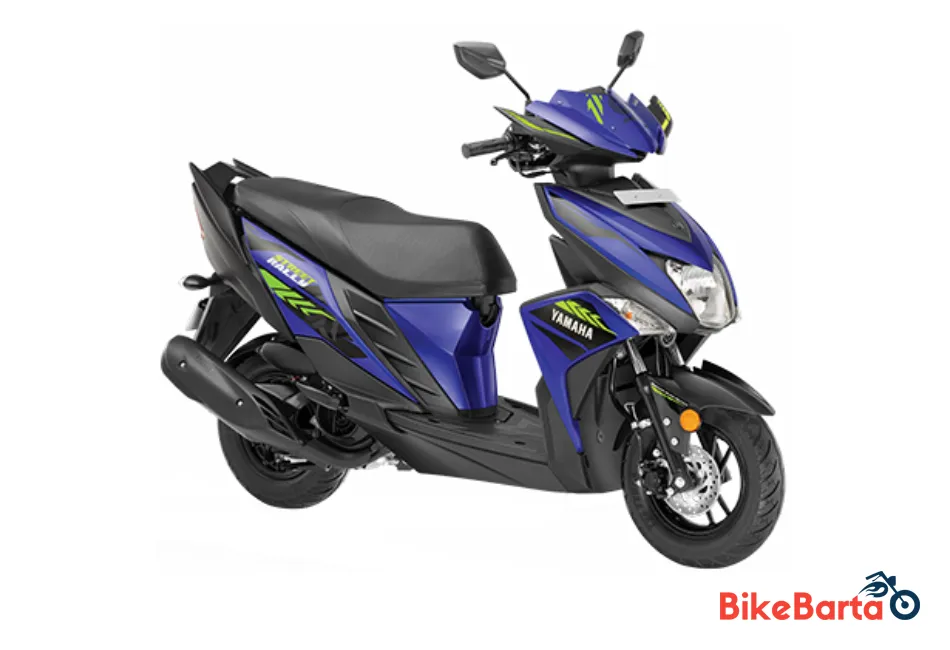
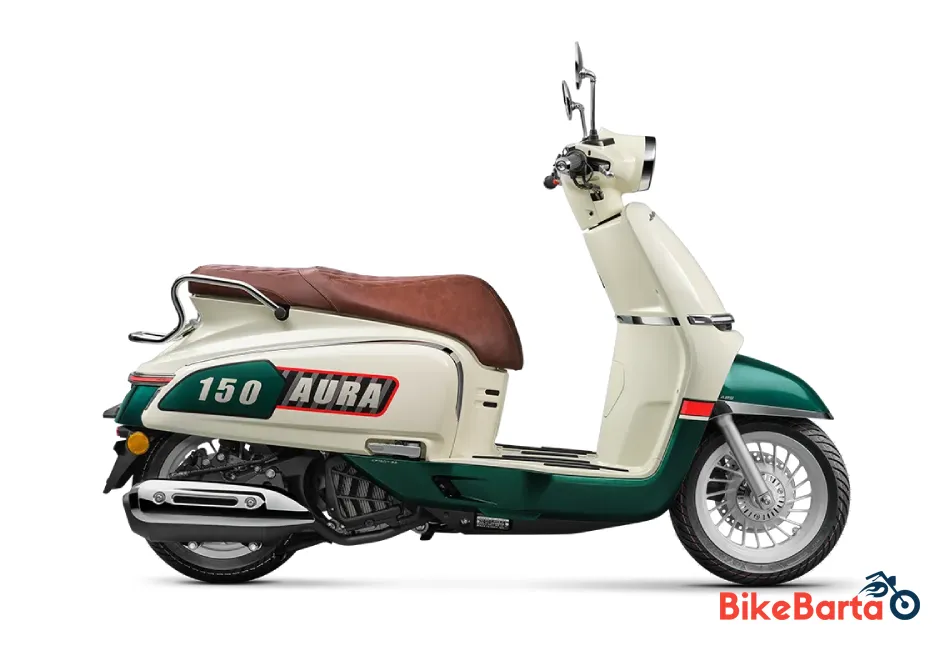
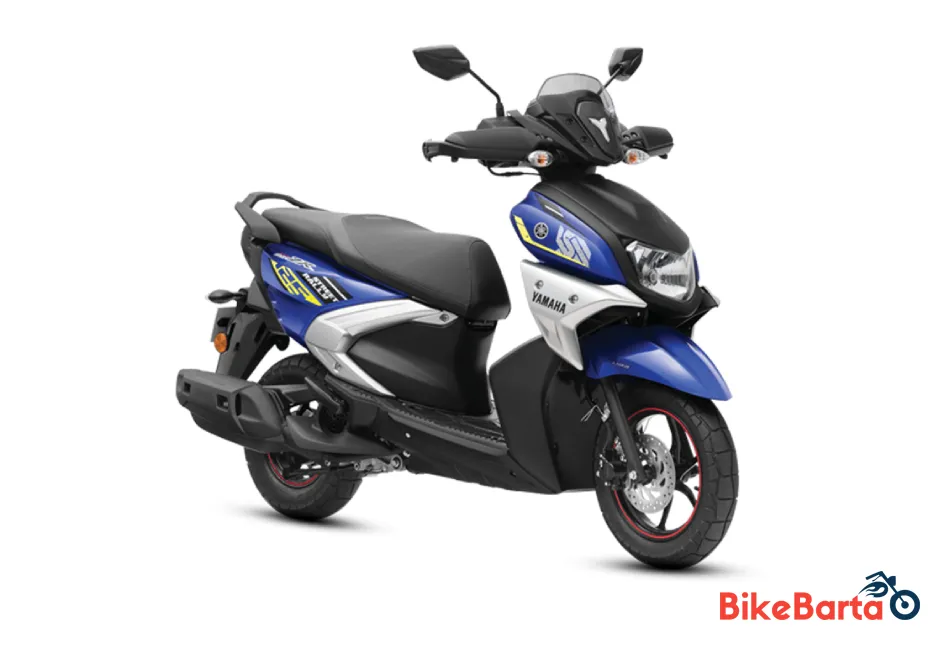
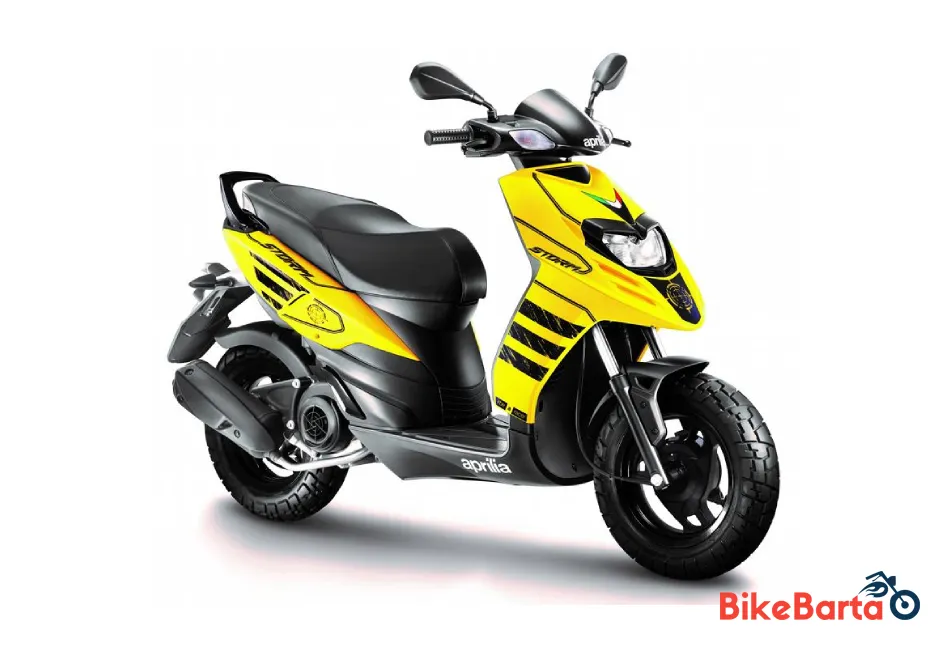
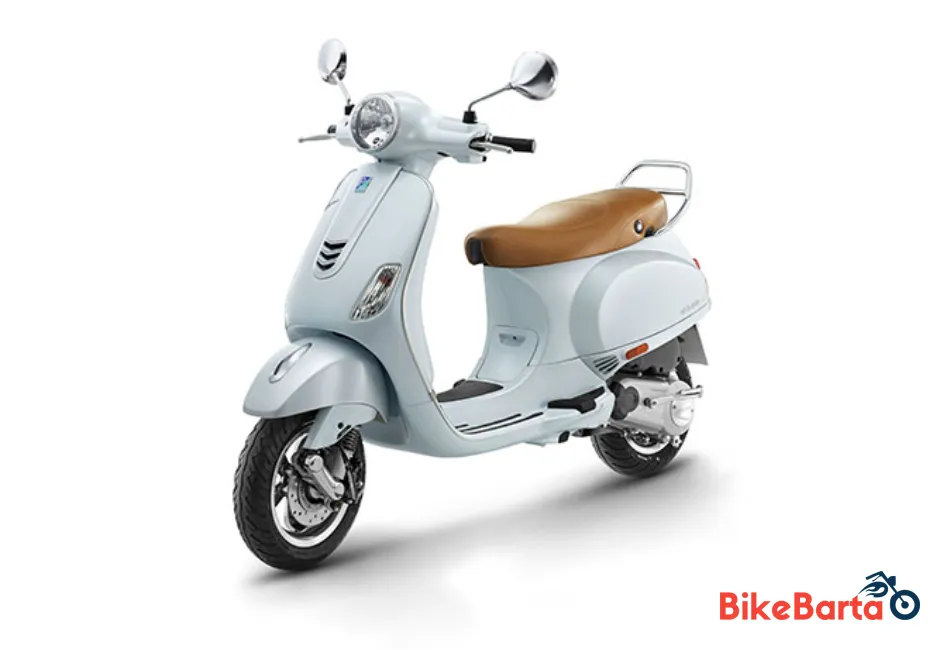
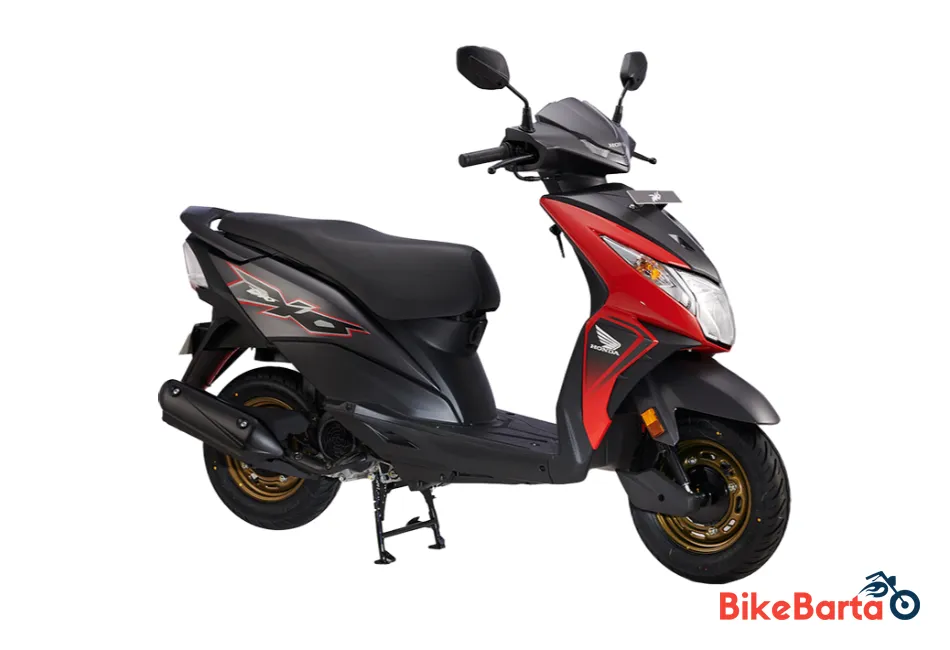
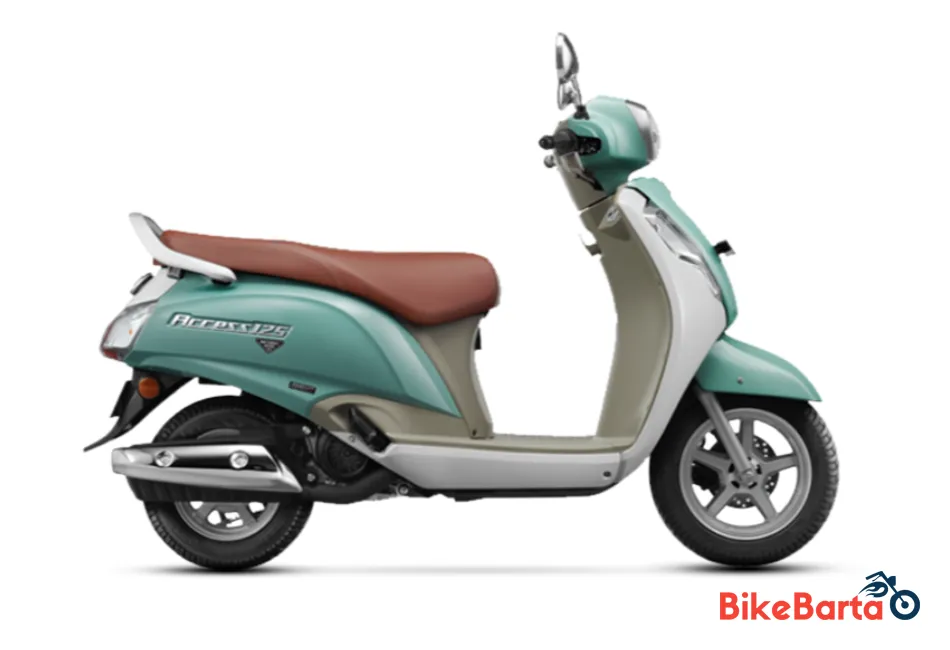
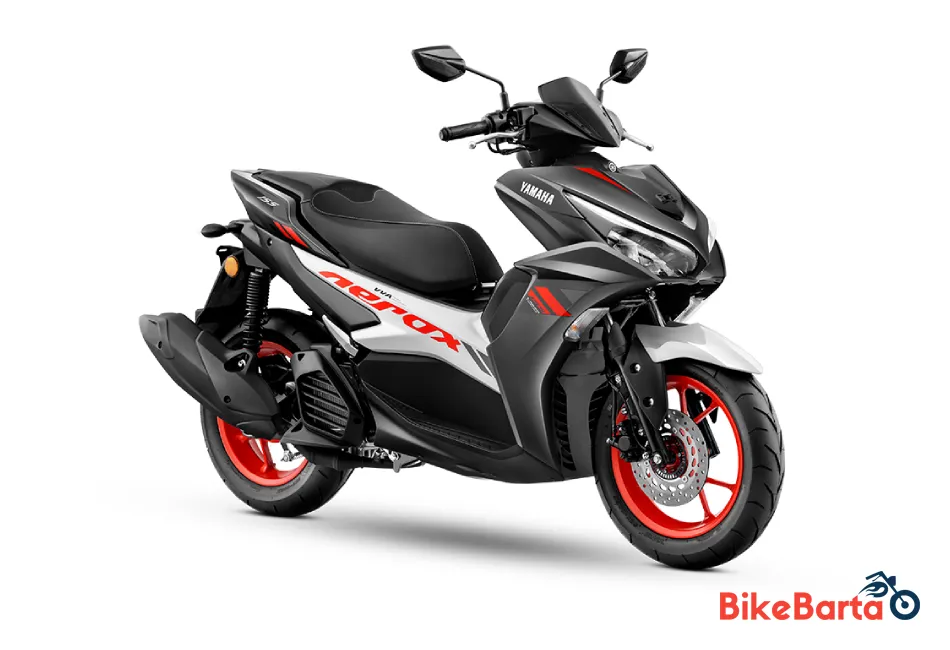
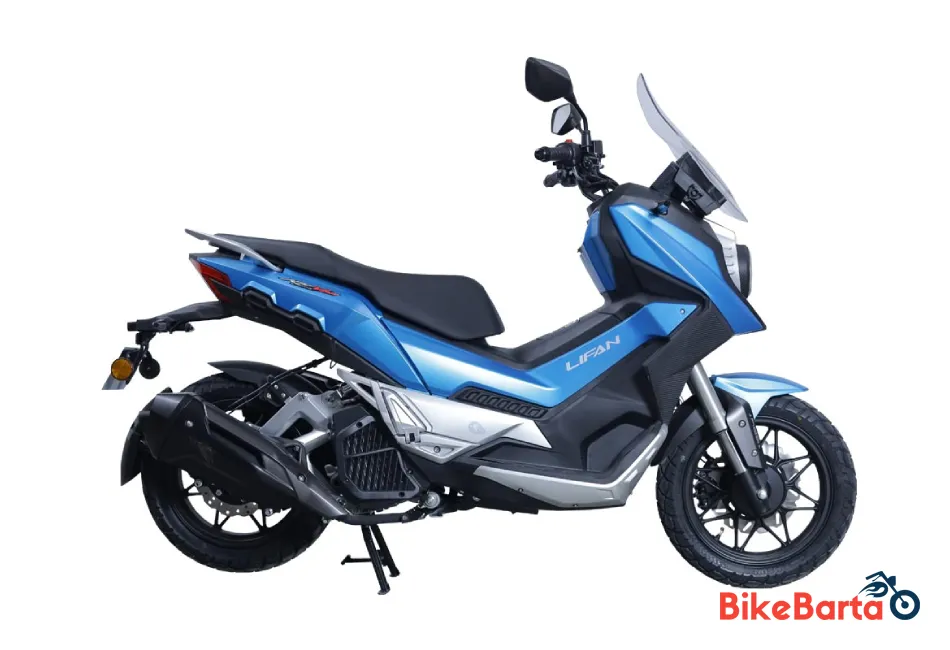
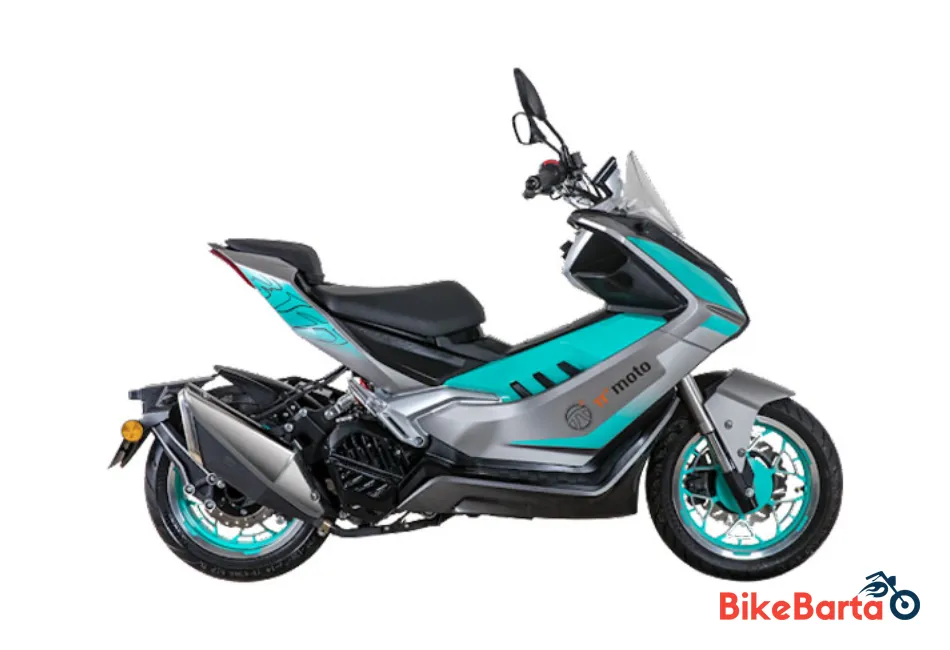
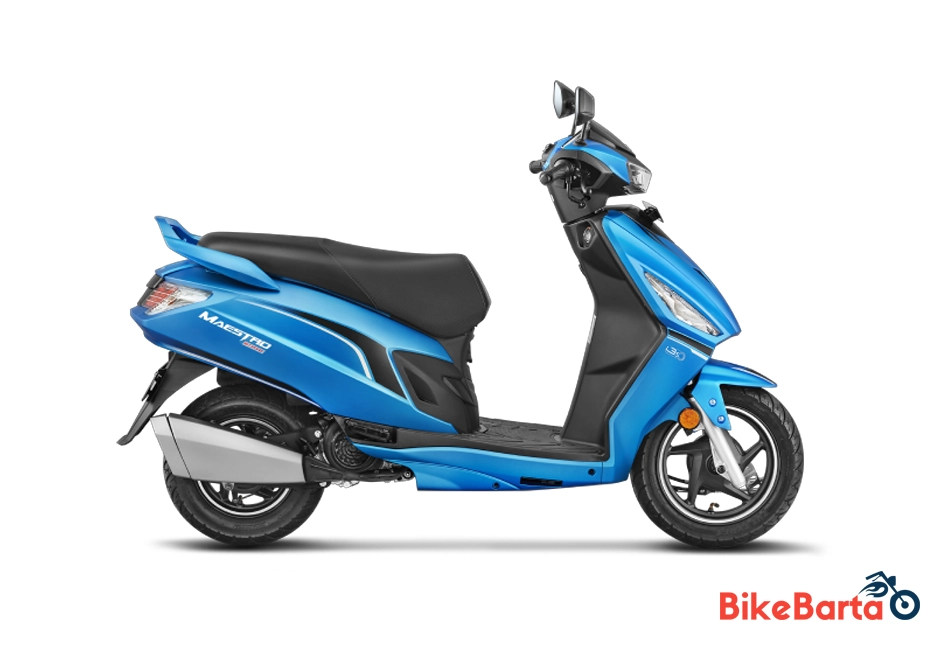
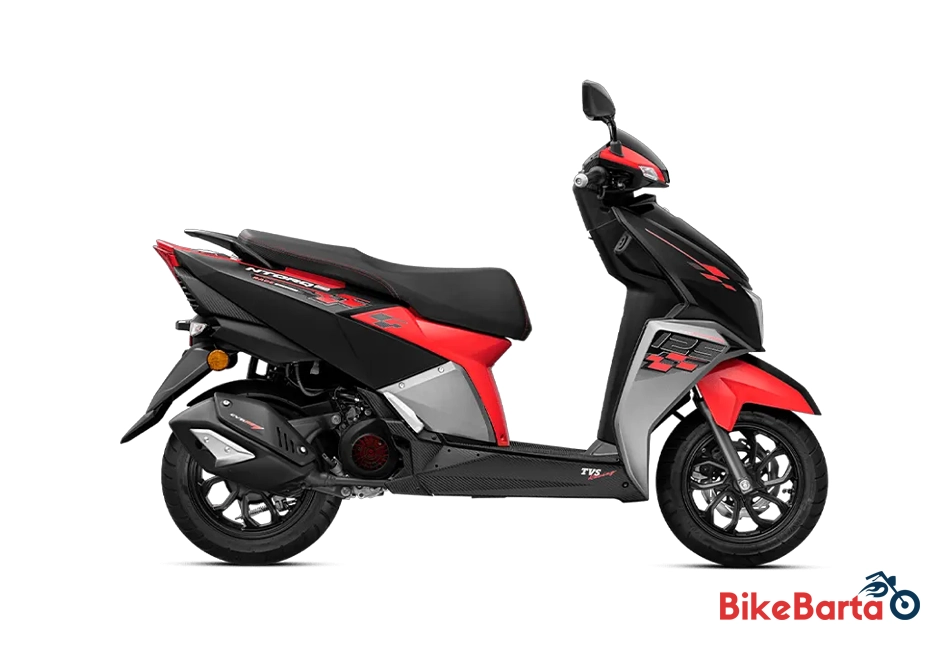
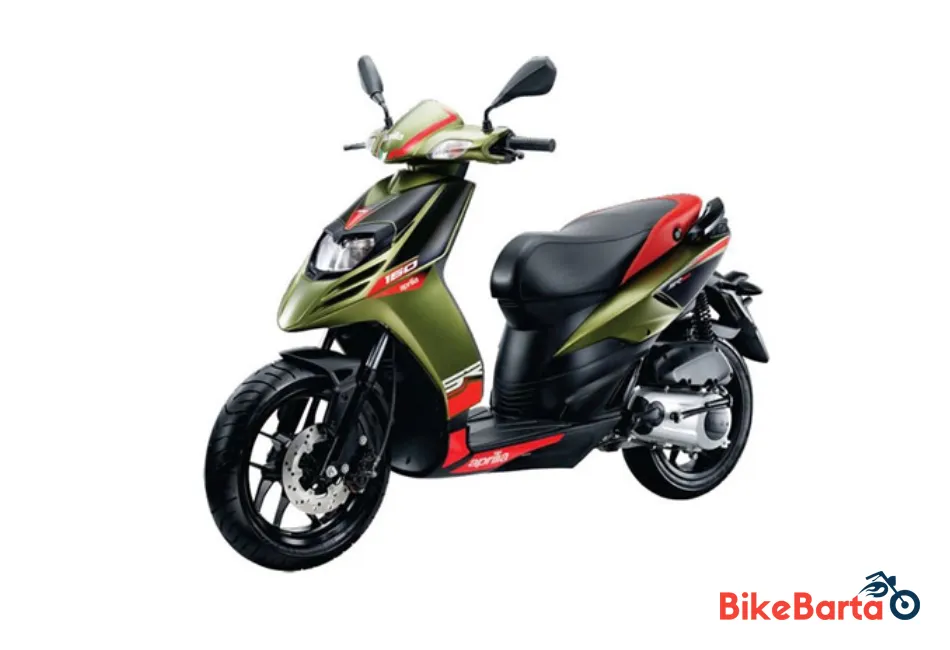
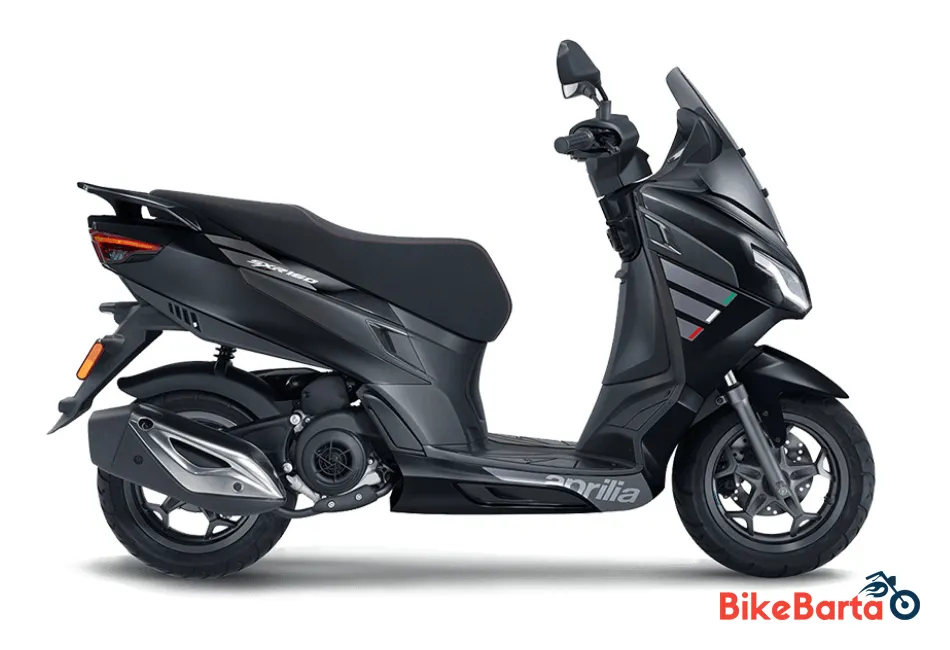
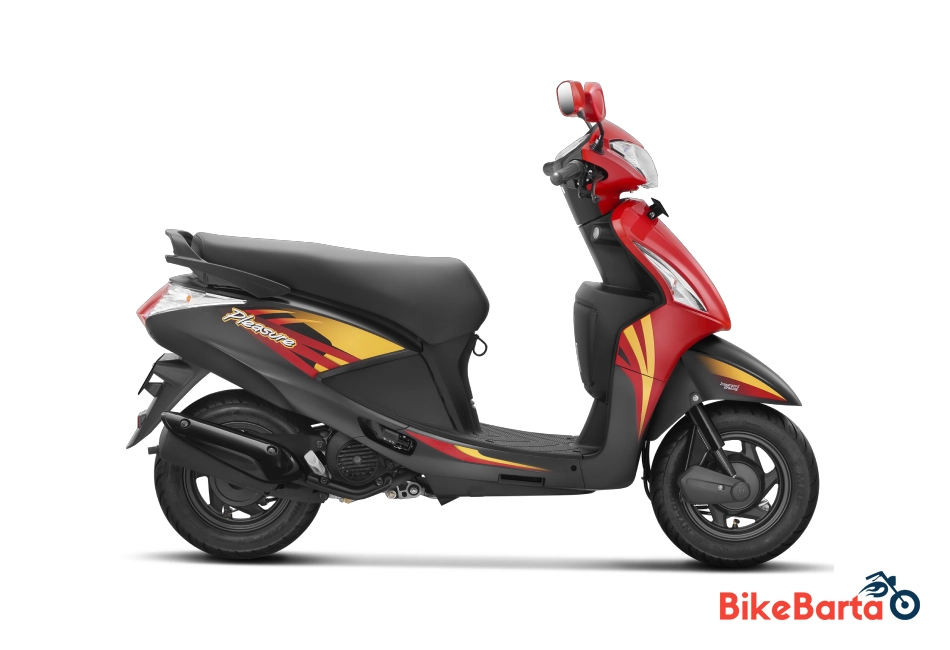
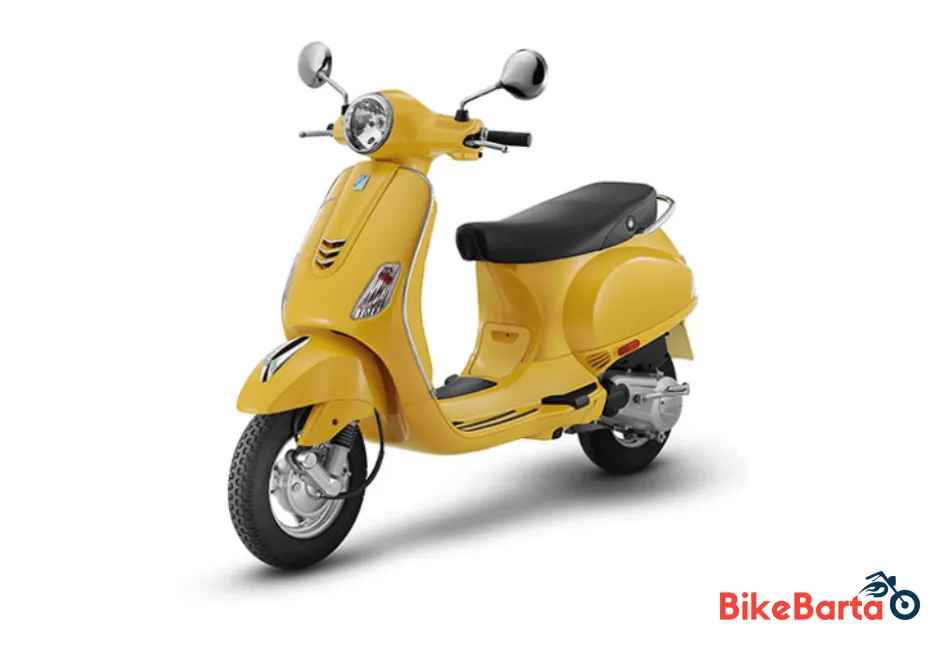
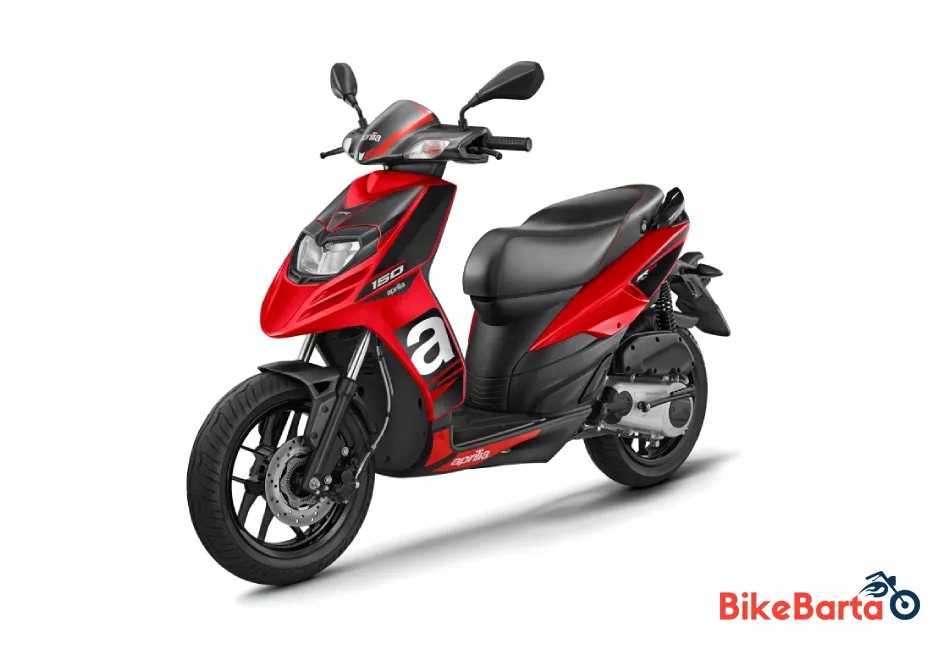
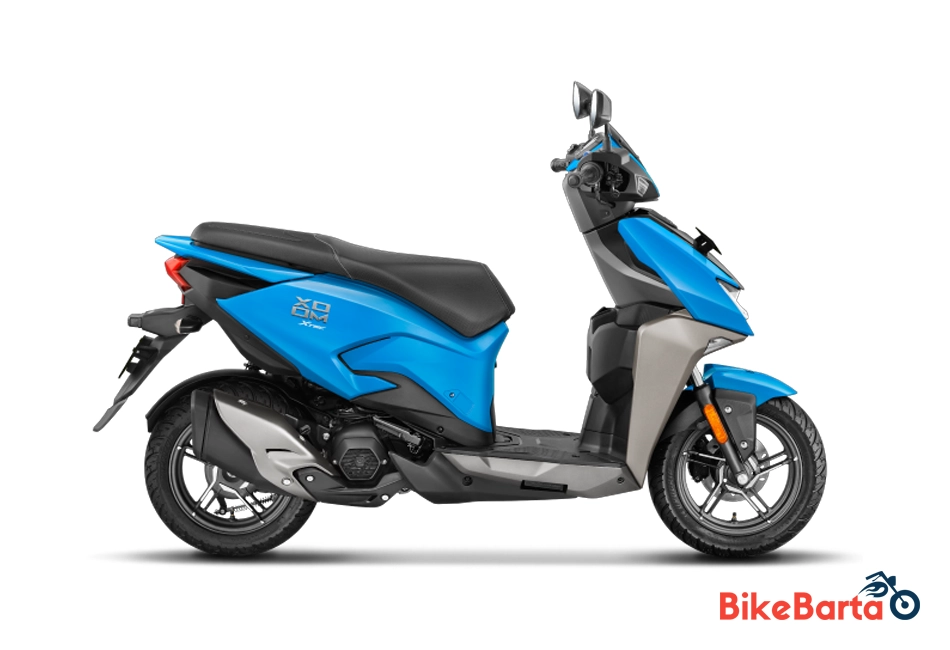
Scooter Price in BD: Compare Automatic Scooters & Prices Across Bangladesh
Searching for scooter price in BD usually starts one of two ways — you’ve already got a brand in mind and just want current numbers, or you’re weighing a scooter against a motorcycle for the first time and trying to work out what actually fits your daily commute. This page is built to handle both. It’s the entry point to BikeBarta’s full scooter database, organized by brand, budget, engine capacity, and body type, so you can move from browsing to a shortlist without jumping between showroom pages or outdated Facebook posts.
Whether you’re comparing scooty price in BD across two or three models, checking the latest scooter price in BD before visiting a dealer, or researching a new scooter price in Bangladesh for a first purchase, everything here links directly into the listings, specifications, and reviews that make up the rest of the site.
Why Riders Across Bangladesh Trust BikeBarta for Scooter Listings
Scooters get a different kind of scrutiny than motorcycles — buyers care less about horsepower numbers and more about mileage, seat comfort, underseat storage, and how easy the thing actually is to live with day to day. That’s the standard we build scooter listings around. Every entry pairs current pricing with full specifications, so you’re comparing real numbers rather than a spec sheet from one site against a price from another.
We track scooter bd listings across the full spread — from budget-friendly commuter scooters to premium imports — with a consistent format across brands, so comparing a Honda against a TVS, or a Suzuki against a Yamaha, actually means something. Reviews on individual scooter pages focus on how each model handles Bangladeshi roads and daily traffic, not just manufacturer claims, and mileage figures are discussed in the context of real city riding rather than lab-test conditions alone.
Why Scooters Are Becoming Bangladesh’s Fastest-Growing Ride
Scooter sales have climbed steadily in Bangladesh over the past several years, and it isn’t hard to see why. Rising fuel costs have pushed more commuters toward fuel efficiency, and automatic scooters remove one of the biggest hurdles new riders face — there’s no clutch or gear shifting to learn, just twist-and-go CVT transmission that makes stop-and-go city traffic far less exhausting to ride through.
The growth has been especially visible among students and first-time riders, many of whom find a scooter far less intimidating than a geared motorcycle. Working professionals have followed a similar path, drawn by lower running costs and the convenience of underseat storage that can hold a helmet, files, or a small bag without needing a separate backpack. As city traffic has gotten denser, the scooter’s smaller footprint and easier low-speed handling have only made the case stronger.
What You Actually Gain From Riding a Scooter
Beyond the obvious convenience of automatic transmission, scooters offer a few practical advantages that matter more once you own one than they might seem to on a showroom floor. Fuel efficiency is usually the standout — most scooters in the 110cc to 125cc range deliver strong mileage, which adds up meaningfully over months of daily commuting. Lightweight construction makes them easier to maneuver through traffic and easier to park in tight spaces, and the step-through frame design means comfortable riding without needing to swing a leg over a tall seat.
Storage is another underrated advantage. Underseat storage on most modern scooters comfortably fits a helmet and daily essentials, and newer models increasingly include USB charging ports and basic smart connectivity features like mobile app pairing or digital instrument clusters — small conveniences that add up for daily commuters. Maintenance costs also tend to run lower than comparable motorcycles, partly due to simpler engine design and partly because service networks for major scooter brands have expanded significantly across the country.
How to Choose the Right Scooter for You
Most scooter buyers land on a shortlist by answering three questions in order: what’s the budget, what’s the primary use, and how much storage or comfort actually matters day to day. Budget sets the outer limit first, since it’s rarely worth comparing a premium import against options well outside your range.
From there, usage matters more for scooters than it does for many motorcycles, because the segment splits fairly cleanly between short city hops and longer daily commutes. A student riding a few kilometers to campus has different priorities than a professional doing a longer daily commute across Dhaka traffic, and that distinction usually points toward different engine capacities and body types. The sections below follow this same path — brand, budget, body type, and engine size — so you can filter straight to relevant listings.
Explore Scooters by Brand
Brand matters as much for scooters as it does for motorcycles, particularly around spare parts availability and service network coverage once the warranty period ends. Our scooter brand archive pages group every listing by manufacturer so you can see a company’s full scooter lineup in one place.
Honda and Yamaha lead the premium end of the market, generally regarded as the safest picks for long-term reliability and resale value. TVS and Suzuki both maintain solid mid-range lineups known for mileage and build quality. Hero has built a following in the more affordable commuter segment, while Vespa remains the reference point for premium, style-focused scooters, with Aprilia occupying similar territory.
Runner, Lifan, and Keeway have expanded their scooter offerings in recent years with competitively priced models, and locally rooted brands including Walton, H Power, PHP, Akij, and REVOO have grown their presence too, particularly in electric scooters. If you already have a brand preference, heading straight to that brand’s archive page is the fastest route to its current lineup.
Find a Scooter That Fits Your Budget
Filtering by budget first tends to be the quickest path to a shortlist. Our budget archive pages break the scooter market into brackets — scooters under ৳1 Lakh, under ৳1.5 Lakh, under ৳2 Lakh, under ৳2.5 Lakh, under ৳3 Lakh, and premium scooters above ৳3 Lakh.
The entry brackets are largely made up of basic 110cc commuter scooters aimed at students and first-time riders prioritizing low running cost above all else. The ৳1.5 Lakh to ৳2.5 Lakh range is where most mainstream 110cc to 125cc scooters from established brands sit, and it’s the most competitive bracket on the site in terms of choice. Above ৳3 Lakh, listings shift toward premium imports and maxi scooters with larger engines, better build quality, and additional features like smart connectivity. Picking your bracket first and comparing brands within it is usually faster than working the other way around.
Scooter or Maxi Scooter — Choosing Your Body Type
Standard scooters make up the bulk of the market and are built around exactly what most daily commuters need — light weight, easy handling, and enough storage for everyday essentials. They’re the default choice for students, short commutes, and anyone prioritizing fuel efficiency and low maintenance over outright performance.
Maxi scooters sit a step up, generally built around larger engines, more substantial frames, and features closer to a full motorcycle — better suspension, more highway-capable performance, and often additional storage capacity. They suit riders covering longer daily commutes or wanting scooter convenience without giving up highway comfort entirely. The tradeoff is straightforward: maxi scooters cost more upfront and return somewhat lower mileage than standard scooters, but offer noticeably more comfort and stability at higher speeds.
Compare by Engine Capacity (CC)
Engine size affects mileage, performance, and price fairly directly in the scooter segment, which makes it one of the more practical filters available. The 110cc class remains the most common entry point, prioritizing mileage and affordability above all else, and it’s where most first-time buyers start. The 115cc and 125cc classes add a bit more pickup for city riding without a significant mileage penalty, and together they cover the bulk of Bangladesh’s scooter market.
150cc and 160cc scooters step further into performance territory, generally aimed at riders who want quicker acceleration or plan to use their scooter for longer commutes rather than short city hops. Beyond that, maxi scooters typically carry larger engines still, built more for sustained highway comfort than for maximizing fuel economy. As a general rule, smaller engines mean better mileage and lower running costs, while larger ones trade some of that efficiency for more usable power.
Bangladesh’s Leading Scooter Brands
Honda’s scooter lineup is widely regarded as the benchmark in this market, known for reliability and one of the most extensive service networks in the country. Yamaha follows closely, with a similar reputation for build quality and resale value. TVS has built a strong following on mileage and pricing, making it a common choice among budget-conscious commuters, while Suzuki holds a comparable position with a smaller but well-regarded range.
Vespa continues to dominate the premium, style-driven end of the market, where design carries as much weight as specifications, and Aprilia serves a similar audience looking for something distinctive. Hero, Runner, Lifan, and Keeway collectively cover a wide affordable-to-mid-range spread, giving budget-focused buyers plenty of choice. Meanwhile, Walton, H Power, PHP, Akij, and REVOO have been expanding steadily, particularly in electric scooters, reflecting how quickly that part of the market is developing locally.
Best Scooters for City Commuting
For pure city commuting, lightweight construction and easy low-speed handling matter more than raw performance. Scooters in the 110cc to 125cc range generally suit this use case best, offering strong mileage and a manageable size for weaving through dense traffic and tight parking. Underseat storage becomes particularly useful here too, since city commuters often need to carry small daily items without a backpack.
Best Scooters for Students
Students tend to prioritize purchase price and running cost above everything else, which typically points toward entry-level 110cc scooters in the lower budget brackets. Lower maintenance costs and widely available spare parts matter here as much as the upfront price, since students are often managing a scooter on a tighter ongoing budget than other buyer groups.
Best Scooters for Office Commuters
Daily office commuting usually covers more distance than a student’s typical ride, which makes the 125cc to 150cc range a common sweet spot — enough power for longer routes and occasional highway stretches, without stepping up to maxi scooter pricing. Comfortable seating and a smoother ride over longer distances tend to matter more here than for shorter city hops.
Scooters Worth Considering for Female Riders
Scooters have become an increasingly popular option among female riders in Bangladesh, largely thanks to practical factors rather than any single specialized feature. Lower seat heights, lighter overall weight, and the step-through frame design make scooters generally easier to manage at low speeds and while parking, compared to a geared motorcycle. Automatic transmission removes another layer of complexity for new riders of any background. Beyond that, the same brand, budget, and engine capacity considerations that apply to any buyer apply here too — comfort and confidence on a given model matter more than gender-specific marketing around it.
Things Worth Checking Before You Buy
A few practical checks tend to prevent regret down the line. Spare parts availability outside major cities is one of the most important, particularly for less established brands — a scooter that looks appealing on paper can become inconvenient to own if replacement parts aren’t stocked locally. Service network coverage matters for the same reason, especially outside Dhaka and Chattogram.
Scooter registration costs vary with engine capacity and are worth confirming ahead of time, since they add to the on-road price beyond the showroom figure. Real-world scooter mileage often runs a bit below manufacturer claims in dense city traffic, so it’s worth weighing reviews describing everyday conditions over spec sheet numbers alone. Basic maintenance costs also vary by brand, largely tied to how widely available parts and qualified mechanics are for that specific model.
Why Scooter Prices Shift in Bangladesh
Scooter pricing moves for largely the same reasons motorcycle pricing does, though a few factors hit scooters more directly. Government duty and tax policy on imported vehicles and components remains the biggest driver, and currency fluctuation affects scooters particularly since a meaningful share of components, even for locally assembled models, are sourced internationally.
Engine capacity also affects taxation directly, which is part of why price gaps between the 110cc and 150cc classes are sometimes larger than the performance difference alone would suggest. New model launches typically push older versions down in price as manufacturers clear existing stock. Because these factors shift fairly often, it’s worth treating scooter pricing as something to check current rather than assume from a previous visit or conversation.
Petrol Scooter or Electric Scooter — Which Makes Sense?
Petrol scooters remain the default choice for most Bangladeshi riders, largely because fuel is widely available everywhere and service networks for petrol models are far more established. Running costs are generally predictable, and resale value for well-known petrol scooter brands tends to hold up reliably.
Electric scooters are still a smaller segment but growing, driven mainly by lower running costs per kilometer and rising fuel prices. The tradeoffs are real, though — charging infrastructure remains limited outside major cities, and range on most current electric models suits short city commutes better than longer daily routes. For riders with predictable, shorter commutes and reliable access to charging, an electric scooter can work well; for longer or less predictable routes, a petrol scooter generally remains the safer choice for now. Our EV scooter archive tracks the current range of electric models available locally as this segment continues to develop.
Frequently Asked Questions
What does scooter price in BD typically depend on?
Brand, engine capacity, and whether a model is locally assembled or imported are the main factors, alongside current government tax and duty policy on that specific engine class.
Is scooty price in Bangladesh different from motorcycle pricing?
Scooters are generally priced lower than comparable-cc motorcycles at the entry level, though premium scooters and maxi scooters can cost as much as or more than mid-range motorcycles.
What’s the best engine capacity for daily city commuting?
Most riders find the 110cc to 125cc range offers the best balance of mileage, price, and manageable performance for daily city commuting.
Are automatic scooters harder to maintain than geared motorcycles?
Generally not. CVT transmission systems are mechanically simpler in some respects than manual gearboxes, and maintenance costs are usually comparable to or lower than similar-capacity motorcycles.
How often does scooter price in BD change?
Prices can shift several times a year due to tax policy changes, currency fluctuation, or new model launches affecting pricing on existing versions.
Which brands are considered the best scooters in Bangladesh?
Honda, Yamaha, TVS, and Suzuki are generally regarded as the most reliable options, largely due to strong service networks and dependable resale value across the country.
Is an electric scooter a practical choice yet in Bangladesh?
It depends on your commute. Electric scooters work well for short, predictable city routes with reliable charging access, but petrol scooters remain more practical for longer or less predictable daily distances.
Do scooters need a separate registration process from motorcycles?
Scooter registration follows the same general process as motorcycles in Bangladesh, with costs varying by engine capacity rather than by body type.
Final Thoughts
Scooter price in BD depends on more moving parts than a single number can capture — brand, engine size, tax policy, and timing all shift it, which is why static lists go out of date quickly. BikeBarta is built around that reality: current scooter listings organized by brand, budget, body type, and engine capacity, backed by specifications and reviews grounded in everyday Bangladeshi riding rather than manufacturer claims alone. Whether you’re picking your first commuter scooter or comparing premium maxi scooters, the archive pages linked throughout this page are where the actual comparison happens — this page is simply where that search begins.