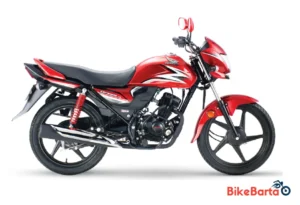
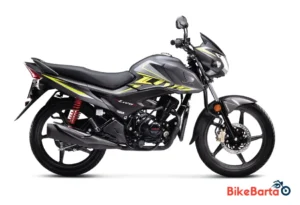
Honda Dream 110 vs Honda Livo 110
Overview
The Honda Dream 110 vs Honda Livo 110 comparison is one of the most common buying dilemmas in Bangladesh because both motorcycles target the same type of rider—those looking for an affordable, fuel-efficient, and dependable commuter. While they share Honda’s trusted 109.19 cc platform, their personalities are noticeably different once you look beyond the specification sheet.
If you’re deciding between these two motorcycles, you’ve probably already compared the numbers. This guide explains what those differences actually mean in everyday riding, ownership costs, comfort, maintenance, and long-term value. We’ll also reference alternatives like the Hero Splendor Plus XTEC, TVS Radeon, Bajaj Platina 110, and TVS Metro Plus for buyers exploring other commuter motorcycles in Bangladesh.
Price Comparison
The most obvious difference is the asking price. At around ৳125,000, the Honda Dream 110 is one of Honda Bangladesh’s most affordable motorcycles. The Honda Livo 110, priced at approximately ৳145,000, costs about ৳20,000 more.
That price gap may appear significant in the 110cc commuter segment, where buyers usually have a fixed budget. The question is whether the additional investment brings meaningful improvements.
For many riders, the answer depends on how they use the motorcycle. Someone riding mainly within cities at moderate speeds may find the Dream 110 offers everything they need. However, riders covering longer daily distances or those who value better braking confidence and a more premium appearance may feel the Livo provides worthwhile upgrades. Honda positions the Dream as a practical value commuter, while the Livo is designed as a more stylish and feature-rich alternative with CBS (Combi Brake System) and a front disc brake.
Engine Performance and Everyday Riding
Since both motorcycles use Honda’s trusted 109.19 cc air-cooled engine architecture, outright performance differences are relatively small.
The Honda Livo produces slightly more peak power while also delivering maximum torque at a lower engine speed. In real-world riding, this translates into smoother pull-offs from traffic signals and slightly less effort when carrying a pillion or climbing flyovers. It doesn’t feel dramatically faster, but it does feel marginally more relaxed during everyday commuting.
The Honda Dream 110 prioritizes simplicity and predictable power delivery. The throttle response is smooth, the engine remains refined at typical city speeds, and the motorcycle feels easy to control for beginners.
Neither motorcycle is intended for aggressive riding. Their strengths lie in predictable acceleration, easy maneuverability, and dependable commuting rather than outright performance.
Fuel Efficiency and Running Costs
Fuel economy remains one of the biggest reasons buyers consider these motorcycles.
Honda officially claims impressive fuel efficiency figures for both models under ideal test conditions using its Honda Eco Technology (HET) engine. Bangladesh Honda highlights mileage of around 74 km/L for both models in promotional materials, although actual mileage depends heavily on riding conditions and maintenance.
In practical Bangladeshi conditions, both motorcycles are economical enough to satisfy most commuters. While official figures may slightly favor the Honda Livo, real-world average mileage between properly maintained examples is generally very close.
If minimizing fuel expenses is your only priority, neither bike holds a decisive advantage.
Braking and Safety
This is arguably the biggest difference between the two motorcycles.
The Honda Dream 110 uses conventional drum brakes at both ends. They are adequate for everyday commuting, especially considering the bike’s lighter 107 kg kerb weight, but they require slightly more anticipation during emergency stops.
The Honda Livo, on the other hand, gains two meaningful safety upgrades:
- Front disc brake
- CBS (Combi Brake System)
These features improve stopping confidence, especially in city traffic where sudden braking is common. CBS distributes braking force more effectively when the rear brake is applied, helping new riders maintain better balance during hard braking. Honda specifically markets the system as improving stability and reducing braking distance for everyday riders.
For inexperienced riders or those frequently riding in heavy Dhaka traffic, this alone may justify paying extra for the Livo.
Ride Comfort and Handling
Despite sharing similar dimensions, both motorcycles offer noticeably different riding experiences.
The Honda Dream 110 has a lower 775 mm seat height and weighs less. These two characteristics make it especially friendly for shorter riders and beginners. It feels easier to move around parking areas and inspires confidence when stopping in traffic.
Honda also designed the Dream specifically with Bangladeshi road conditions in mind, emphasizing rider comfort, a comfortable seat height, long wheelbase, adjustable rear suspension, and practical commuter features.
The Honda Livo, meanwhile, has a slightly taller 790 mm seat and carries additional weight. Although the difference isn’t dramatic, taller riders often appreciate its riding position more. The suspension setup feels a little more composed over broken roads, while the added front disc contributes to greater confidence when entering corners or riding through uneven city streets.
Highway Capability
Neither motorcycle is built primarily for highway touring.
Their similar 86 km/h top speed means both are happiest between moderate commuting speeds rather than sustained high-speed travel.
The Honda Livo feels marginally more planted because of its additional weight and slightly stronger low-end torque characteristics. Overtaking requires planning on either motorcycle, especially when carrying luggage or a passenger.
For riders who frequently travel long distances outside the city, stepping up to a 125cc commuter such as the Honda SP 125 or TVS Raider 125 may provide noticeably better highway performance.
Maintenance, Reliability and Ownership Experience
Reliability has always been one of Honda’s strongest selling points.
Both motorcycles benefit from simple carbureted engines, widespread parts availability, and extensive dealer support across Bangladesh. Routine servicing is straightforward, and mechanics throughout the country are familiar with these engines.
The Honda Dream 110 focuses on minimizing ownership costs. Features such as the sealed chain and practical commuter-oriented components help reduce routine maintenance while keeping servicing simple.
The Honda Livo introduces slightly more sophisticated braking hardware, meaning front brake maintenance may cost marginally more over time. However, the difference is relatively minor compared to the overall ownership experience.
Both motorcycles enjoy Honda’s reputation for dependable long-term reliability when maintained according to the recommended service schedule.
Pillion Comfort and Daily Practicality
Commuter motorcycles in Bangladesh often carry two riders, making pillion comfort an important consideration.
The Honda Dream 110 was specifically developed with commuter practicality in mind, offering a comfortable seat and relaxed ergonomics suitable for family use. Its lower seat height also makes frequent stops less tiring in urban traffic.
The Honda Livo offers a slightly larger overall feel and can feel more comfortable for taller riders. Combined with the larger 8.5-litre fuel tank, it may require fewer fuel stops during longer commutes.
Value for Money
From a value perspective, both motorcycles succeed—but for different buyers.
The Honda Dream 110 delivers outstanding value by focusing on affordability, simplicity, reliability, and low running costs. Buyers receive Honda engineering without paying for additional premium features.
The Honda Livo targets customers willing to spend more for extra refinement, improved braking safety, premium styling, and enhanced overall riding confidence.
If your budget is fixed, the Dream remains one of the strongest value propositions in Honda’s commuter lineup.
If your budget allows the extra investment, the Livo feels like a more complete motorcycle overall.
Which One Should You Buy?
Choose the Honda Dream 110 if you:
- Want the most affordable Honda commuter.
- Prefer a lighter motorcycle.
- Are a beginner or shorter rider.
- Prioritize simple ownership and lower purchase cost.
Choose the Honda Livo 110 if you:
- Want CBS and a front disc brake.
- Prefer a more premium-looking commuter.
- Ride daily in busy city traffic.
- Don’t mind paying extra for improved safety and refinement.
Final Verdict
In the Dream 110 vs Livo 110 comparison, neither motorcycle is objectively better—they simply target different priorities.
The Honda Dream 110 remains one of the smartest choices for budget-conscious commuters who want dependable transportation with excellent fuel economy and Honda reliability. It is simple, easy to ride, and inexpensive to own.
The Honda Livo 110 justifies its higher price with better braking, improved styling, a slightly more refined riding experience, and added confidence in daily traffic. For buyers who can comfortably stretch their budget, it feels like the more modern and complete package.
If value is your highest priority, the Honda Dream 110 is difficult to beat. If safety features and everyday refinement matter more, the Honda Livo 110 is the motorcycle we’d recommend.
Frequently Asked Questions
Is the Honda Livo 110 better than the Honda Dream 110?
Yes, if you value CBS braking, a front disc brake, and a more premium overall riding experience. The Dream 110 remains the better value option for tighter budgets.
Which bike offers better fuel efficiency, Dream 110 or Livo 110?
Both motorcycles are highly fuel efficient. Real-world mileage differences are generally small, although Honda publishes similar high-efficiency claims for both models under ideal conditions.
Is the Honda Dream 110 suitable for beginners?
Yes. Its lower 775 mm seat height, lighter weight, and predictable handling make it one of the easiest commuter motorcycles for new riders.
Does the Honda Livo have better brakes?
Yes. The Livo comes with a front disc brake and CBS (Combi Brake System), providing stronger and more confidence-inspiring braking than the Dream 110.
Which motorcycle is more comfortable for daily commuting?
Both are comfortable, but the Dream 110 feels easier to manage in stop-and-go traffic, while the Livo offers a slightly more premium riding experience.
Which bike has lower maintenance costs?
The Honda Dream 110 is generally slightly cheaper to maintain because of its simpler braking setup, although both motorcycles are inexpensive to own.
Is the Honda Livo worth paying extra for?
If braking performance, styling, and additional safety features are important to you, the extra investment is worthwhile.
Which motorcycle has better resale value in Bangladesh?
Both motorcycles benefit from Honda’s strong brand reputation. Resale value depends largely on maintenance history, condition, and market demand, rather than a significant difference between the two models.
Are both motorcycles suitable for long-distance riding?
They can handle occasional highway trips, but they are designed primarily for urban and suburban commuting. Riders who travel long distances regularly may find a 125cc commuter more suitable.
What are the best alternatives to the Honda Dream 110 and Honda Livo 110?
Popular alternatives include the Hero Splendor Plus XTEC, TVS Radeon, TVS Metro Plus, Bajaj Platina 110, and Honda SP 125, depending on your budget and performance requirements.