TVS Ntorq 125 vs Hero Xoom 125 – Side by Side Comparison
The TVS Ntorq 125 and Hero Xoom 125 target a similar group of buyers who want more performance, refinement, and convenience than a typical commuter scooter can offer. While both are modern fuel-injected 125cc scooters, they approach the premium scooter segment differently.
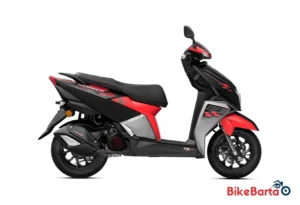
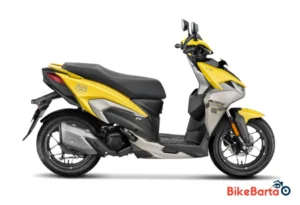
The TVS Ntorq 125 has already established itself as one of the most popular sporty scooters in Bangladesh thanks to its sharp design, responsive engine, and enjoyable riding character. On the other hand, the Hero Xoom 125 arrives with a fresh design philosophy, practical features, and a stronger focus on urban usability.
If you are considering alternatives in this category, you may also want to explore the Suzuki Avenis 125, Yamaha Ray ZR 125 Fi Hybrid, Honda Dio 125, and even larger premium scooters such as the Honda PCX 160, depending on your budget and riding requirements.
This guide focuses on what truly matters after the specification table—how these scooters feel on the road, how practical they are for everyday commuting, and which one offers the better ownership experience for Bangladeshi riders.
Price Comparison
The pricing difference between these two scooters is relatively small, making the buying decision more dependent on features and ownership experience than on budget alone.
The TVS Ntorq 125 is officially priced at ৳204,900, while the Hero Xoom 125 costs around ৳210,000 in Bangladesh. Since the price gap is modest, buyers should consider which scooter better suits their riding habits rather than choosing purely based on cost.
It is also worth comparing these models with similarly priced scooters like the Suzuki Avenis 125 and Yamaha RayZR 125 Fi Hybrid, both of which offer strong competition in terms of fuel economy, styling, and everyday practicality.
Performance, Features & Ownership Comparison
Although both scooters use modern fuel-injected 125cc engines, their personalities are noticeably different once you start riding.
The TVS Ntorq 125 has built a reputation for delivering a sporty riding experience. Its engine responds eagerly to throttle inputs, making overtaking easier in city traffic. Riders who enjoy quick acceleration from traffic signals and a more energetic feel will appreciate the Ntorq’s lively character. It feels playful without becoming intimidating, making it suitable for both younger riders and experienced commuters.
The Hero Xoom 125, meanwhile, prioritizes smoothness and urban refinement. Its engine delivers power progressively, making it comfortable during stop-and-go traffic. Riders looking for a scooter that feels predictable and easy to control throughout the day may find the Xoom more relaxing during daily commutes.
Fuel economy is another important consideration for Bangladeshi riders. Both manufacturers claim an official mileage of around 50 km/L, although actual fuel consumption naturally depends on traffic, riding style, maintenance, and road conditions. The Hero Xoom 125 generally has a slight advantage in average real-world mileage, making it attractive for riders covering longer daily distances.
Handling is another area where these scooters differ. The TVS Ntorq 125 has long been praised for its stable cornering and confident steering. It inspires confidence when navigating busy intersections or taking fast bends on open roads. Riders who occasionally enjoy spirited weekend rides will likely appreciate its chassis characteristics.
The Hero Xoom 125 focuses more on comfort and easy maneuverability. It feels light in urban traffic, making U-turns, parking, and weaving through congested city streets less tiring. Its suspension setup is designed to absorb everyday road imperfections effectively, helping reduce rider fatigue during longer commutes.
Braking confidence is an important part of everyday safety. The Hero Xoom 125 benefits from a front disc brake with Integrated Braking System (IBS), providing reassuring stopping performance in urban traffic. The TVS Ntorq 125 uses SBT (Synchronised Braking Technology), which has proven reliable over the years, although buyers who prioritize front disc braking may lean toward the Hero.
Convenience features also play a major role in scooter ownership. Thankfully, both models offer external fuel filling, eliminating the need to lift the seat every time you refuel. This may seem like a small feature, but it becomes genuinely useful during daily commuting.
Similarly, both scooters include approximately 20 litres of under-seat storage, providing enough room for groceries, rain gear, or everyday essentials. Riders who regularly carry office items or small shopping bags will appreciate this practical storage capacity.
Passenger comfort is another important factor for Bangladeshi families. Both scooters provide a comfortable seating position suitable for city rides, although overall comfort will depend on rider height, passenger weight, and road conditions. Their upright ergonomics make them suitable for daily commuting without placing excessive strain on the rider.
Maintenance is where both manufacturers enjoy strong reputations. TVS has an extensive service network across Bangladesh, and replacement parts are generally easy to find. Many local mechanics are already familiar with the Ntorq because of its popularity.
Hero MotoCorp has also expanded its authorized dealership and service presence in Bangladesh. Buyers who already own Hero motorcycles may find the transition to the Xoom convenient due to existing service accessibility and parts availability.
Reliability should not be a major concern with either scooter when regular servicing is followed according to manufacturer recommendations. Both use proven fuel injection systems, reducing cold-start issues while improving efficiency compared to older carbureted scooters.
In terms of technology and convenience, both scooters cater well to modern urban riders. Depending on the variant available in Bangladesh, buyers should verify available connected features, digital displays, and accessory options directly from the official distributor before making a purchase.
Which One Should You Buy?
The answer largely depends on your priorities rather than the specification sheet.
Choose the TVS Ntorq 125 if you enjoy sporty styling, sharper handling, responsive acceleration, and an engaging riding experience. It remains one of the most entertaining scooters in the Bangladeshi market and appeals especially to younger riders and enthusiasts.
Choose the Hero Xoom 125 if you prioritize daily practicality, slightly better real-world fuel efficiency, reassuring front disc braking, and comfortable urban commuting. It is particularly suitable for office commuters, students, and family users looking for a dependable everyday scooter.
If your budget allows, you may also consider comparing these scooters with the Yamaha Ray ZR 125 Fi Hybrid for its lightweight design or the Suzuki Avenis 125 for its balance of performance and efficiency. Buyers looking for a larger premium scooter may even explore the Honda PCX 160.
Final Verdict
The TVS Ntorq 125 and Hero Xoom 125 are both excellent choices in Bangladesh’s growing premium scooter segment, but they cater to slightly different audiences.
The TVS Ntorq 125 continues to stand out with its sporty personality, enjoyable handling, and proven reputation among Bangladeshi riders. It is ideal for buyers who want every ride to feel a little more exciting.
The Hero Xoom 125, meanwhile, focuses on practicality, comfort, efficient commuting, and everyday convenience. Its braking setup and refined urban manners make it an attractive option for riders who value confidence and ease of use.
Neither scooter is objectively better for everyone. Your daily riding environment, commuting distance, preferred riding style, and nearby service support should ultimately guide your decision. Test-riding both models before purchasing is the best way to determine which scooter feels most comfortable for your needs.
Frequently Asked Questions
1. Which scooter is better for city commuting in Bangladesh?
Both perform well in urban conditions, but the Hero Xoom 125 is slightly more commuter-focused, while the TVS Ntorq 125 offers a sportier riding experience.
2. Which scooter offers better fuel efficiency?
Both claim an official mileage of around 50 km/L, although the Hero Xoom 125 generally delivers slightly better average real-world fuel economy.
3. Which scooter accelerates faster?
Based on the official figures, the Hero Xoom 125 reaches 0–60 km/h quicker than the TVS Ntorq 125.
4. Which scooter has better braking?
The Hero Xoom 125 features a front disc brake with IBS, while the TVS Ntorq 125 uses SBT braking technology.
5. Are both scooters suitable for family use?
Yes. Both provide comfortable seating, automatic transmission, and practical storage, making them suitable for everyday family commuting.
6. Which scooter is better for younger riders?
The TVS Ntorq 125 is generally preferred by riders looking for sporty styling and a more engaging ride.
7. Do both scooters have external fuel filling?
Yes. Both the TVS Ntorq 125 and Hero Xoom 125 include external fuel filling, making refueling more convenient.
8. Which scooter has better storage space?
Both scooters offer approximately 20 litres of under-seat storage, making them similarly practical for daily use.
9. Which scooter is easier to maintain in Bangladesh?
Both benefit from established service networks in Bangladesh, and routine maintenance should be straightforward when performed through authorized workshops.
10. Should I buy the TVS Ntorq 125 or Hero Xoom 125?
Choose the TVS Ntorq 125 if you prioritize sporty performance and handling. Choose the Hero Xoom 125 if you prefer comfortable commuting, efficient fuel economy, and stronger braking confidence.