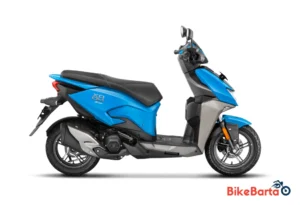
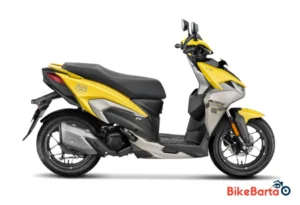
Hero Xoom 110 vs Hero Xoom 125 – Side by Side Comparison
Overview
Hero has expanded its scooter lineup by offering the Xoom series in two distinct versions, allowing buyers to choose between affordability and enhanced performance. Although the Hero Xoom 110 and Hero Xoom 125 look similar at first glance, they differ in the areas that matter most during everyday ownership. This comparison focuses on how each scooter performs in real-world Bangladeshi conditions, from navigating busy city roads to handling weekend rides with a passenger. Rather than repeating the specification table above, we’ll explain what those differences actually mean and help you decide which Xoom is the better fit for your budget, riding style, and long-term expectations. If you’re exploring this category, it’s also worth comparing these scooters with rivals like the Honda Dio, Honda Grazia 125, TVS Ntorq 125, Suzuki Avenis 125, and Yamaha Ray ZR 125 Fi Hybrid.
Price Comparison
For many Bangladeshi buyers, budget is the starting point when choosing a scooter, and this is where the two Xoom models begin to separate themselves. The Hero Xoom 110 is positioned as an affordable premium scooter that balances stylish design with practical everyday usability. It offers enough performance for regular commuting without requiring buyers to spend more than necessary.
The Hero Xoom 125, meanwhile, enters a more competitive segment where buyers expect additional refinement, stronger performance, and better equipment. Although the price difference may initially seem significant, it reflects more than just a larger engine. Riders also gain modern features such as Fuel Injection (FI), Integrated Braking System (IBS), external fuel filling, and a more capable suspension setup, all of which contribute to a more comfortable and convenient ownership experience.
If your budget is close to the Xoom 110, you may also want to compare it with the Honda Dio or TVS Jupiter, both of which are popular choices for everyday commuting. Buyers considering the Xoom 125 should also look at the TVS Ntorq 125, Honda Grazia 125, Suzuki Avenis 125, and Yamaha Ray ZR 125 Fi Hybrid, as these scooters compete in a similar price and performance bracket.
Rather than asking which scooter is cheaper, the better question is whether the additional investment in the Xoom 125 delivers enough everyday benefits for your riding needs.
Performance, Features & Ownership Comparison
Although both scooters belong to the same family, they deliver noticeably different riding experiences.
The Hero Xoom 110 is designed primarily for urban mobility. Its lighter weight makes it feel agile in traffic, allowing riders to change direction quickly and navigate narrow streets with ease. Whether you’re commuting to work, visiting local markets, or dropping children at school, the scooter feels approachable and easy to manage. This makes it especially appealing for first-time riders and those who prioritise convenience over outright performance.
The Hero Xoom 125 feels more mature from the moment you twist the throttle. The larger engine provides stronger acceleration, making overtaking easier and reducing the effort required when carrying a passenger. While the specification table already highlights the numerical differences, what matters in real-world riding is how much more relaxed the Xoom 125 feels when merging into faster traffic or climbing flyovers commonly found in larger Bangladeshi cities.
One of the biggest advantages of the Xoom 125 is its Fuel Injection (FI) system. Compared to the carbureted setup on the Xoom 110, FI offers smoother throttle response, more consistent performance, and improved refinement during everyday riding. Riders who frequently use their scooter throughout the year may also appreciate the easier starting and reduced need for periodic tuning.
Braking confidence is another area where the Xoom 125 pulls ahead. The addition of Integrated Braking System (IBS) improves braking balance and inspires greater confidence during emergency stops or wet road conditions. While the Xoom 110 remains perfectly capable for regular city commuting, the Xoom 125 simply feels more reassuring when traffic becomes unpredictable.
Comfort also deserves attention because scooters are often chosen for their everyday practicality rather than outright speed. The Xoom 110’s lighter chassis makes it easy to handle in congested areas, while the Xoom 125 benefits from a more substantial feel on the road. Its revised rear suspension offers improved composure over uneven surfaces, potholes, and speed breakers, making longer journeys less tiring for both rider and passenger.
Convenience features further distinguish the two scooters. Both provide generous 20-litre under-seat storage, making it easy to carry daily essentials, rain gear, or shopping bags. However, the external fuel filling system available on the Xoom 125 eliminates the inconvenience of opening the seat at petrol stations. It is a small feature that becomes surprisingly valuable during daily ownership.
Fuel efficiency remains one of Hero’s strongest selling points. Both scooters are economical enough for everyday commuting, ensuring affordable running costs for students, office workers, and families alike. Instead of choosing solely based on fuel economy, buyers should consider whether they value the additional refinement and stronger performance offered by the Xoom 125.
Maintenance is another factor worth considering. The Xoom 110 keeps things simple, making it attractive for buyers who want straightforward ownership with lower initial costs. The Xoom 125 introduces more advanced technology but rewards owners with a smoother, more premium riding experience that many will appreciate over years of regular use.
If your priorities include sporty performance, you may also want to compare the TVS Ntorq 125. Riders looking for a refined all-rounder should consider the Honda Grazia 125, while the Yamaha Ray ZR 125 Fi Hybrid stands out with its hybrid assistance and lightweight character. Buyers seeking a dependable everyday commuter in the lower price range can also explore the Honda Dio or TVS Jupiter before making a final decision.
Which One Should You Buy?
Choosing between the Hero Xoom 110 and Hero Xoom 125 ultimately depends on your expectations rather than simply your budget.
The Hero Xoom 110 is an excellent choice for riders who spend most of their time inside the city and want an affordable, lightweight, and dependable scooter. It suits students, first-time riders, office commuters, and families looking for practical transportation without unnecessary complexity. If your daily routine rarely extends beyond urban roads, the Xoom 110 offers everything most riders genuinely need.
The Hero Xoom 125, on the other hand, is aimed at buyers who expect more versatility. Its stronger engine, Fuel Injection (FI), Integrated Braking System (IBS), improved suspension, and thoughtful convenience features create a scooter that feels more refined in almost every situation. Whether you’re riding with a pillion, travelling longer distances, or simply wanting a scooter that feels more premium, the additional investment becomes easier to justify.
Before making your final decision, it’s also worth reading BikeBarta’s dedicated Hero Xoom 110 Review and Hero Xoom 125 Review, then comparing them with competitors like the TVS Ntorq 125, Honda Grazia 125, or Yamaha Ray ZR 125 Fi Hybrid to see which scooter best matches your riding habits.
Final Verdict
Although they share the same family name, the Hero Xoom 110 and Hero Xoom 125 are designed for different buyers. The Xoom 110 focuses on affordability, ease of use, and practical urban commuting, making it a smart option for riders who simply want reliable daily transportation.
The Xoom 125 builds on that foundation by offering stronger performance, greater refinement, and several premium features that improve everyday ownership. The addition of Fuel Injection, Integrated Braking System, improved suspension, and external fuel filling transforms it into a more complete scooter for riders willing to invest a little more.
If keeping costs low is your highest priority, the Hero Xoom 110 remains an excellent purchase. However, if you value long-term comfort, refinement, and stronger all-round performance, the Hero Xoom 125 is the better overall package. Whichever model you choose, comparing it with other popular scooters available in Bangladesh will help ensure you make a confident and informed buying decision.
Frequently Asked Questions
Is the Hero Xoom 125 worth the extra price over the Hero Xoom 110?
Yes, if you value stronger performance, Fuel Injection (FI), Integrated Braking System (IBS), improved ride quality, and extra convenience features.
Which Hero Xoom is better for city commuting?
Both perform well in urban environments, but the Hero Xoom 110 feels lighter and easier to manoeuvre in heavy traffic.
Is the Hero Xoom 125 better for riding with a passenger?
Yes. Its stronger performance and improved suspension make it more comfortable for regular pillion riding.
Which scooter is better for beginners?
The Hero Xoom 110 is generally more beginner-friendly because of its lighter handling and approachable performance.
Which Hero Xoom offers better value for money?
The answer depends on your priorities. The Xoom 110 delivers excellent value for budget-conscious commuters, while the Xoom 125 offers better value for riders seeking premium features and stronger performance.
What are the biggest upgrades on the Hero Xoom 125?
Key improvements include Fuel Injection (FI), Integrated Braking System (IBS), external fuel filling, improved suspension, and stronger overall performance.
Which scooters compete with the Hero Xoom series in Bangladesh?
Popular alternatives include the Honda Dio, TVS Jupiter, TVS Ntorq 125, Honda Grazia 125, Suzuki Avenis 125, and Yamaha RayZR 125 Fi Hybrid.
Where can I read detailed reviews of these scooters?
You can explore the individual Hero Xoom 110 and Hero Xoom 125 review pages on BikeBarta, along with our Hero Scooters archive and other scooter comparison guides to make a well-informed buying decision.