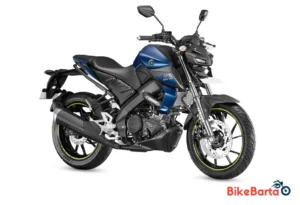
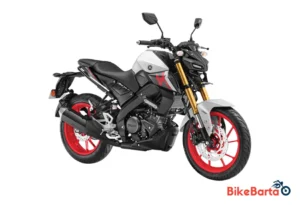
Yamaha MT 15 V1 vs Yamaha MT 15 V2 – Side by Side Comparison
Overview
The Yamaha MT 15 has long been one of the most desirable premium naked sports motorcycles in Bangladesh thanks to its lightweight chassis, refined 155cc VVA engine, and exciting riding dynamics. When Yamaha introduced the MT 15 V2, many buyers wondered whether the newer version was truly worth paying the extra money or whether the original MT 15 remained the smarter purchase.
If you’ve already compared the specifications above, this guide focuses on what those differences actually mean in daily riding and long-term ownership. We’ll explore how both motorcycles differ in real-world performance, handling, comfort, maintenance costs, resale value, and overall ownership satisfaction. Buyers considering alternatives such as the Yamaha R15 V4, Suzuki Gixxer SF 250, KTM Duke 125, Honda CB Hornet 2.0, or TVS Apache RTR 200 4V will also find useful context throughout this comparison.
Price Comparison
The biggest difference between these two motorcycles is their asking price.
With an official Bangladesh price of around ৳460,000, the Yamaha MT 15 V1 offers a significantly lower entry point into Yamaha’s premium naked motorcycle lineup. Meanwhile, the Yamaha MT 15 V2 costs approximately ৳535,000, placing it closer to several larger-displacement competitors.
That price gap naturally raises one important question: do the upgrades justify spending the additional money?
The answer depends on how you intend to use the motorcycle. Riders primarily looking for Yamaha’s reliable engine, lightweight handling, and excellent fuel efficiency may find the original MT 15 provides nearly the same overall experience for noticeably less money. However, buyers who prefer owning the latest version with improved suspension, updated technology, and stronger resale appeal may find the premium worthwhile.
Engine Performance and Refinement
One area where both motorcycles remain almost identical is the engine.
Each model uses Yamaha’s proven 155cc liquid-cooled, fuel-injected, SOHC, 4-valve engine with Variable Valve Actuation (VVA), producing 19.3 PS of maximum power and 14.7 Nm of torque according to the Bangladesh specifications provided.
In everyday riding, both motorcycles deliver the same energetic character. The engine remains smooth at lower RPM, while VVA helps maintain strong acceleration as revs climb higher. Whether navigating Dhaka traffic or enjoying open highways, riders can expect a responsive throttle and predictable power delivery.
The slight difference in acceleration figures is barely noticeable during normal riding. Instead, most riders will experience nearly identical performance from traffic lights to highway cruising.
This means buyers should not choose between these two motorcycles based solely on engine output because their riding character remains fundamentally the same.
Clutch and Gearbox Experience
Although both motorcycles use a smooth 6-speed gearbox, the riding experience changes slightly because of the clutch design.
The original MT 15 V1 uses a conventional wet multi-plate clutch that already feels light and easy for daily commuting.
The MT 15 V2, however, introduces Yamaha’s Assist & Slipper Clutch, making gear changes even smoother while reducing clutch effort in stop-and-go traffic. During aggressive downshifts, the slipper mechanism also helps minimize rear wheel hopping, providing more confidence during spirited riding. These updates are among the key mechanical improvements of Version 2.
For newer riders, commuters, and enthusiasts who frequently ride twisty roads, the V2’s clutch offers a more refined overall experience.
Handling and Suspension
The suspension upgrade is arguably the biggest reason many buyers choose the newer model.
The original MT 15 uses conventional telescopic front forks that provide a comfortable balance between sporty handling and everyday usability.
The MT 15 V2 replaces these with Upside Down (USD) front forks, giving the motorcycle a more premium appearance while improving front-end rigidity and steering precision. Yamaha also paired the bike with an updated rear suspension arrangement, further enhancing stability.
In city riding, the difference isn’t dramatic, but it becomes increasingly noticeable during faster cornering or highway riding where the front end feels more planted.
That said, some riders actually prefer the slightly softer feel of the original telescopic forks over rough roads, as USD setups generally prioritize handling precision over comfort. This is a commonly discussed ownership observation among MT-15 riders.
Highway Performance and Riding Confidence
Since both motorcycles share identical power figures, highway cruising performance remains almost unchanged.
Both comfortably maintain highway speeds while offering quick overtaking capability thanks to the VVA-equipped engine. The lightweight chassis continues to make lane changes effortless without feeling unstable.
However, riders who regularly enjoy spirited weekend rides may appreciate the V2’s upgraded front suspension and slipper clutch, which provide slightly more confidence when cornering aggressively or braking before turns.
For relaxed touring, the overall difference is relatively small.
Comfort and Daily Practicality
Rider ergonomics remain largely unchanged between the two motorcycles.
Both feature an upright yet sporty riding position that suits city commuting extremely well. The 810 mm seat height remains approachable for many Bangladeshi riders, while the lightweight chassis helps build confidence in heavy traffic.
Pillion comfort, however, remains one of the weaker points on both motorcycles. The compact rear seat is adequate for short journeys but may become uncomfortable on longer trips.
Similarly, neither motorcycle is designed as a dedicated touring machine. Weekend highway rides are certainly enjoyable, but riders planning frequent long-distance travel with a passenger may prefer alternatives such as the Suzuki Gixxer SF 250 or even Yamaha’s own R15 V4, depending on riding priorities.
Fuel Efficiency and Maintenance
Fuel economy is another area where buyers should not expect meaningful differences.
Both motorcycles officially claim 45 km/L, while average real-world mileage typically remains around 40 km/L, depending on riding style and traffic conditions.
Maintenance costs are also very similar because both motorcycles share the same engine platform. Regular servicing, engine oil changes, filters, brake pads, and consumable parts remain straightforward through Yamaha’s authorized service network in Bangladesh.
Yamaha’s reputation for reliability continues to be one of the strongest reasons these motorcycles remain popular among commuters and enthusiasts alike.
Features and Overall Ownership Experience
Although the engines remain nearly identical, the ownership experience evolves with the newer model.
The MT 15 V2 feels more premium thanks to its modern suspension, Assist & Slipper Clutch, refreshed styling, updated graphics, Bluetooth connectivity (on supported variants), and additional convenience features such as the side-stand engine cut-off on applicable versions.
The original MT 15 still feels modern by today’s standards, but buyers looking for the latest Yamaha technology will naturally gravitate toward Version 2.
Resale value is another consideration. Since newer-generation motorcycles generally attract stronger market demand, the V2 is likely to retain its value slightly better over time, provided both motorcycles are maintained equally well.
Which One Should You Buy?
If your budget is limited, the Yamaha MT 15 V1 remains one of the best premium street motorcycles available in Bangladesh. It delivers virtually the same engine performance, excellent reliability, enjoyable handling, and strong fuel efficiency while saving a considerable amount of money.
On the other hand, if you can comfortably stretch your budget, the Yamaha MT 15 V2 offers meaningful improvements that enhance everyday riding rather than simply changing the motorcycle’s appearance. The USD front suspension, Assist & Slipper Clutch, and updated premium feel make it the more complete package.
For buyers considering motorcycles around this price range, it is also worth comparing the TVS Apache RTR 200 4V, Honda CB Hornet 2.0, Suzuki Gixxer SF 250, and Yamaha R15 V4 before making a final decision.
Final Verdict
The comparison between the Yamaha MT 15 V1 vs Yamaha MT 15 V2 is less about performance and more about value.
Both motorcycles deliver the same exciting Yamaha engine, lightweight handling, dependable reliability, and impressive fuel efficiency. The riding experience remains enjoyable regardless of which version you choose.
The MT 15 V1 stands out as the better value-for-money option for buyers who simply want Yamaha’s outstanding 155cc platform without paying for the latest upgrades.
Meanwhile, the MT 15 V2 justifies its higher price by offering a more refined and premium ownership experience through improved suspension, smoother clutch operation, and modern features that enhance everyday riding. Buyers planning to keep the motorcycle for many years may find those upgrades worthwhile.
Ultimately, your decision should depend on budget rather than outright performance, because both motorcycles remain among the finest premium naked sports bikes available in Bangladesh.
Frequently Asked Questions
Is the Yamaha MT 15 V2 faster than the MT 15 V1?
No. Both motorcycles produce 19.3 PS and 14.7 Nm, so real-world performance is almost identical.
What is the biggest upgrade in the MT 15 V2?
The most significant upgrades are the USD front suspension and Assist & Slipper Clutch, which improve handling and riding refinement.
Which bike offers better value for money?
The MT 15 V1 offers stronger value if you want similar performance at a lower purchase price.
Is the MT 15 V2 worth the additional price?
Yes, if you appreciate premium hardware, smoother operation, and stronger long-term resale value.
Do both motorcycles deliver the same mileage?
Yes. Both officially claim around 45 km/L, with average real-world mileage of approximately 40 km/L.
Which motorcycle is better for beginners?
Both are beginner-friendly thanks to their lightweight chassis and refined engine, although the V2’s Assist & Slipper Clutch makes city riding slightly easier.
Are maintenance costs different?
Not significantly. Since both motorcycles share the same engine platform, routine maintenance costs remain very similar.
Which motorcycle is better for highway riding?
Both perform well on highways, but the MT 15 V2 feels slightly more composed during spirited riding because of its upgraded front suspension and slipper clutch.
Which motorcycle has better resale value in Bangladesh?
The Yamaha MT 15 V2 generally enjoys stronger resale demand because it is the newer generation.
Should I buy the MT 15 V1 or wait and save for the V2?
If the price difference fits comfortably within your budget, the MT 15 V2 is the better long-term investment. Otherwise, the MT 15 V1 remains an excellent purchase that sacrifices very little in overall riding enjoyment.