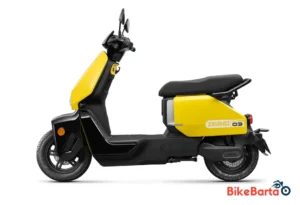
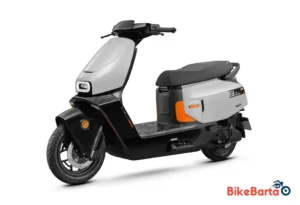
Zeeho EZ3 vs Zeeho EZ4 – Side by Side Comparison
The ZEEHO EZ3 and ZEEHO EZ4 represent two different approaches to urban electric mobility in Bangladesh. Although both belong to the same ZEEHO family and use graphene battery technology, they are designed with different priorities in mind. The EZ3 appeals to riders looking for a more responsive and energetic city scooter, while the EZ4 focuses on everyday practicality and rider comfort.
If you’re considering alternatives, you may also want to explore models like the Yadea M6L, Yadea Keeness, Luyuan S30, Akij Duronto, and other ZEEHO electric scooters available in Bangladesh. Each offers a different balance of range, features, and ownership costs depending on your commuting needs.
Rather than repeating the specification table above, this buying guide explains how these differences affect daily riding, charging, maintenance, and long-term ownership.
Price Comparison
The official prices place the ZEEHO EZ3 at ৳138,500, while the ZEEHO EZ4 costs ৳145,000, leaving only a small gap between the two.
For many buyers, this narrow price difference means the decision should not be based solely on purchase cost. Instead, it is worth considering how each scooter fits your daily routine.
If your priority is getting stronger acceleration and slightly better riding performance without spending more, the EZ3 offers good value. On the other hand, riders who appreciate additional practicality and storage may find the EZ4’s higher price worthwhile.
As with any EV purchase, buyers should also consider dealership support, battery warranty, spare parts availability, and after-sales service before making a final decision.
Performance & Everyday Riding Experience
Although both scooters are intended primarily for city use, they deliver noticeably different riding characteristics.
The ZEEHO EZ3 produces higher real-world performance through its combination of 1.9 kW peak motor output, quicker acceleration, and a slightly higher top speed. These advantages become noticeable when overtaking traffic, carrying momentum on flyovers, or accelerating away from traffic signals.
For riders travelling through busy areas of Dhaka, Chattogram, or Khulna, this more responsive nature can make commuting feel easier and more enjoyable.
The ZEEHO EZ4, meanwhile, delivers a calmer riding experience. Its larger size and additional weight give it a more planted feel, which many new EV riders may appreciate. Rather than focusing on sporty acceleration, the EZ4 prioritizes smooth and predictable urban commuting.
Neither scooter is intended for highway touring, but both are well suited to daily city transportation.
Riding Range & Charging Experience
Range anxiety remains one of the biggest concerns for Bangladeshi EV buyers.
The ZEEHO EZ3 offers a slightly longer practical riding range, making it more suitable for riders covering longer daily commutes before returning home for charging.
The ZEEHO EZ4 delivers a shorter average real-world range, although it still comfortably covers the daily travel requirements of many urban commuters.
Charging convenience also plays an important role in ownership.
The EZ4 officially requires around 8–10 hours for a full charge, making overnight charging the most practical approach. Neither model officially supports fast charging, so owners should plan charging around their daily schedule rather than expecting quick top-ups during the day.
For apartment residents or offices without dedicated charging facilities, this may influence purchasing decisions more than outright range.
Battery Technology & Running Cost
Both scooters utilize graphene battery technology, which is increasingly being adopted in urban electric scooters due to improved durability and stable performance compared with traditional lead-acid batteries.
For most Bangladeshi users, electricity costs remain significantly lower than petrol expenses, allowing both scooters to deliver substantially lower day-to-day operating costs than comparable petrol-powered scooters.
Regular charging habits, avoiding deep battery discharge, and following manufacturer recommendations will help maximize battery lifespan.
Since the battery is the most expensive component of any EV, buyers should also confirm the local battery warranty and replacement support offered by the authorized distributor before purchasing. ZEEHO notes that warranty coverage depends on the local distributor and market.
Comfort, Ride Quality & Practicality
Both scooters use hydraulic front suspension with adjustable rear suspension, helping absorb potholes and uneven city roads.
The difference lies more in overall usability.
The ZEEHO EZ4 stands out with its 30-litre under-seat storage, making it considerably more practical for grocery shopping, office commuting, or carrying a helmet and charger.
Its slightly higher ground clearance may also prove useful on rough urban roads and speed breakers commonly found throughout Bangladesh.
The ZEEHO EZ3, meanwhile, feels more compact and easier to maneuver through congested traffic. Riders who frequently navigate narrow streets or heavy traffic may appreciate its lighter weight.
Ultimately, the choice depends on whether you value agility or practicality.
Technology & Features
Both scooters feature modern LED lighting and contemporary styling that distinguish them from many traditional electric scooters available in Bangladesh.
The EZ3 offers selectable Eco, Street, and Sport riding modes, allowing riders to prioritize efficiency or performance depending on traffic conditions.
For the EZ4, detailed information about riding modes has not been officially confirmed for the Bangladesh specification, so buyers should verify this with an authorized dealer before purchase.
Both scooters also benefit from ZEEHO’s motorcycle-inspired chassis engineering and suspension design, reflecting the brand’s focus on stable urban handling.
Maintenance, Reliability & Ownership
One of the biggest advantages of both electric scooters is reduced maintenance compared with petrol-powered alternatives.
Without engine oil, spark plugs, air filters, or complex transmission servicing, routine maintenance primarily involves brake inspection, tyres, suspension, bearings, and electrical system checks.
This can reduce annual maintenance costs for regular commuters.
However, EV ownership depends heavily on dealer support. Before buying either scooter, prospective owners should confirm:
- Battery warranty coverage
- Availability of replacement batteries
- Spare parts inventory
- Service centre accessibility
- Software support if applicable
Since ZEEHO is still expanding its presence in many markets, strong local after-sales support should be considered just as important as performance figures.
Which One Should You Buy?
The ZEEHO EZ3 is the better choice if you:
- Prefer stronger acceleration and livelier performance.
- Ride longer distances each day.
- Want the best balance between price and performance.
- Frequently ride through dense city traffic.
Choose the ZEEHO EZ4 if you:
- Value comfort over outright performance.
- Need generous under-seat storage.
- Carry bags or groceries regularly.
- Prefer a larger and more stable scooter for relaxed commuting.
Final Verdict
Although these scooters share the same ZEEHO identity and graphene battery technology, they target different buyers.
The ZEEHO EZ3 offers the stronger overall value proposition thanks to its lower price, better acceleration, and longer practical riding range. For most urban commuters in Bangladesh, it provides a more engaging riding experience without requiring additional investment.
The ZEEHO EZ4, however, earns its place through practicality. Riders looking for greater carrying capacity, a larger riding position, and comfortable daily commuting may find it a better long-term companion despite its slightly higher price.
Whichever model you choose, both scooters demonstrate how modern electric mobility can significantly reduce fuel expenses while delivering quiet, smooth, and environmentally friendly transportation for everyday city use.
Frequently Asked Questions
1. Which scooter is better for daily commuting in Bangladesh?
The ZEEHO EZ3 is generally better for commuters who travel longer distances or want stronger performance, while the EZ4 suits riders prioritizing comfort and storage.
2. Which model offers the longer riding range?
Based on the available Bangladesh specifications, the ZEEHO EZ3 provides a slightly longer practical riding range.
3. Does either scooter support fast charging?
No. Neither the ZEEHO EZ3 nor the ZEEHO EZ4 officially supports fast charging.
4. Which scooter has better storage?
The ZEEHO EZ4 offers 30 litres of under-seat storage, making it the more practical choice for carrying everyday items.
5. Are both scooters suitable for highway riding?
They are primarily designed for urban commuting rather than sustained highway travel.
6. Which model is more beginner-friendly?
The ZEEHO EZ4 may appeal more to new riders because of its relaxed riding characteristics and practical design.
7. Do both scooters use the same battery technology?
Yes. Both Bangladesh models use graphene battery technology.
8. Which scooter is more affordable?
The ZEEHO EZ3 has the lower official price at ৳138,500, compared with ৳145,000 for the ZEEHO EZ4.
9. Which scooter offers better value for money?
For most buyers, the ZEEHO EZ3 delivers stronger overall value by combining better performance with a lower purchase price.
10. Should I consider other electric scooters before buying?
Yes. Comparing these models with alternatives such as the Yadea M6L, Yadea Keeness, Luyuan S30, and other electric scooters available in Bangladesh can help ensure you choose the model that best fits your riding habits and budget.